Acne scars are permanent structural changes in the skin that can remain after inflammatory lesions. They most commonly appear as depressions of varying shapes and depths, giving the skin an uneven relief. More rarely, raised scars can form.
The risk of scarring is higher with deep and prolonged inflammation, especially in the case of nodules and other severe forms of acne. Mechanical squeezing and picking at active lesions can also increase the likelihood of permanent changes.
The type, depth, and distribution of scars vary from person to person. Therefore, the approach to addressing them is determined individually and often involves a combination or sequence of different procedures.
How do acne scars form?
In inflammatory acne, the process can affect the deeper layers of the skin. Once the inflammation subsides, the body initiates a healing process during which new collagen is produced.
When tissue repair is insufficient and too little collagen is formed, a depression may remain in the skin. This is how atrophic scars—the most common type following acne—are formed.
In the more rarely occurring raised scars, the healing process is associated with an excessive production of tissue and collagen.
The duration and severity of inflammation matter for the risk of scar formation. Therefore, controlling active acne is an important part of preventing new structural changes.
Learn more about acne-prone skin
What is the difference between acne scars and uneven texture?
As already noted, acne scars are structural changes in the skin that can vary in shape and depth.
Uneven texture is a broader term that describes the overall feel and appearance of the skin's surface. It can be the result of acne scars, as well as enlarged pores, comedones, superficial irregularities, or a combination of several different changes.
Therefore, during a skin evaluation, it is important to determine whether the uneven relief is primarily due to scars, other texture changes, or a combination of both. This is essential when choosing the most appropriate professional approach.
Learn more about uneven texture
What increases the risk of scar formation?
The risk is higher with deep, painful, and persistently inflamed lesions. The more pronounced the deep tissue damage, the greater the likelihood that the healing process will leave a change in skin relief.
Squeezing, scratching, and mechanically traumatizing active acne can also deepen inflammation and increase the risk of scarring.
Individual predisposition also plays a role. In some people, scars form more easily, even when the manifestations of acne do not appear particularly severe.
Timely treatment of active acne and early management of existing scars are important both for limiting the emergence of new scars and for improving existing structural changes.
Can acne scars become less visible?
With appropriately selected professional procedures, the visibility of acne scars can be significantly improved, and the skin's relief can become smoother and more even.
The outcome depends on the type, depth, and number of scars, individual skin characteristics, and the chosen method. Different types of scars respond differently, which is why a single procedure is rarely the optimal solution for all structural changes.
For some patients, the best approach may be a combination of methods targeting different types of scars and different layers of the skin.
When is it appropriate to start working on acne scars?
Before planning scar procedures, it is important to assess whether the acne is active.
When inflammatory lesions continue to appear, the priority is usually controlling the active condition and limiting the risk of new scar formation. Once the acne has stabilized, a plan can be developed to address the existing structural changes.
The exact timing depends on the condition of the skin, the therapy being used, and the type of planned procedures.
Consultation at DERMA ART
If you have post-acne scars and are unsure which procedures are suitable for your skin type and condition, you can take the first step in a way that is convenient for you.
Use the virtual consultation to explore procedures tailored to your primary goals and preferences, or book an appointment at DERMA ART if you would like an individual skin assessment and recommendations from a specialist.
Suitable procedures for acne scars
Professional procedures are selected according to the type and depth of the scars, the condition of the skin, and the presence of other changes in relief.
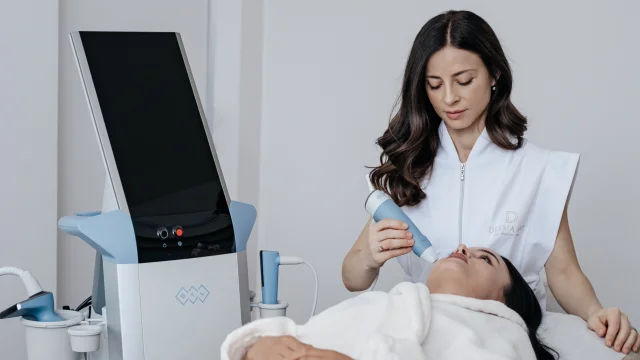
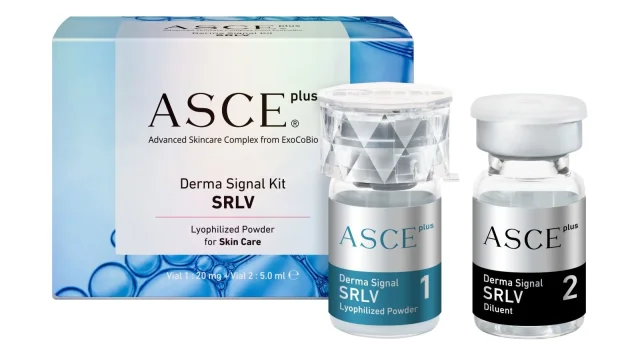
The approach may include methods aimed at stimulating renewal processes and collagen production, improving skin relief, and gradually reducing the visibility of scars.
When different types of scars are present, a combination or sequence of procedures may be recommended. The specific plan is determined individually following a skin assessment.
The information on this page is for informational purposes and does not replace an individual examination, diagnosis, and recommendations from a physician.