
Acne and Imperfections
All conditions
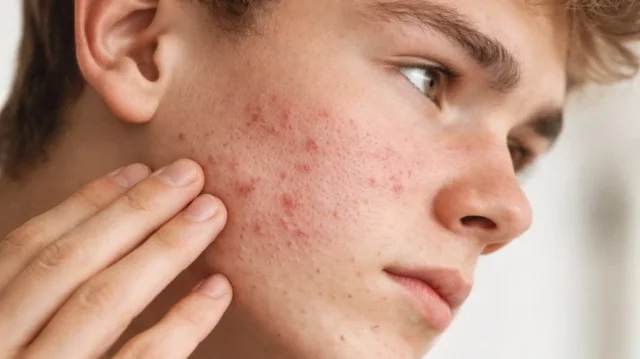

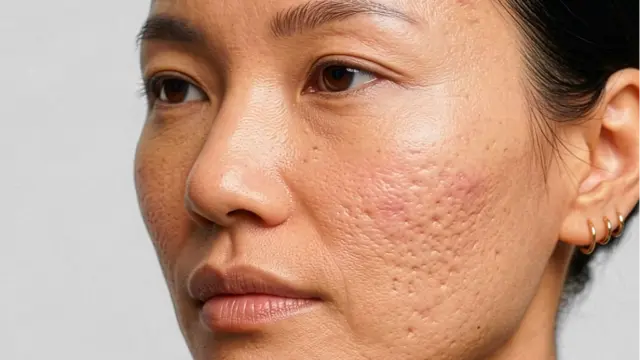
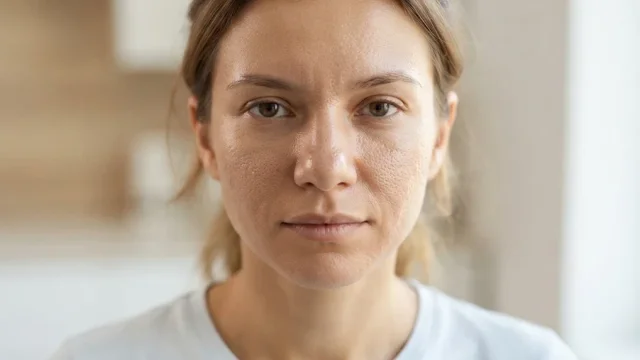
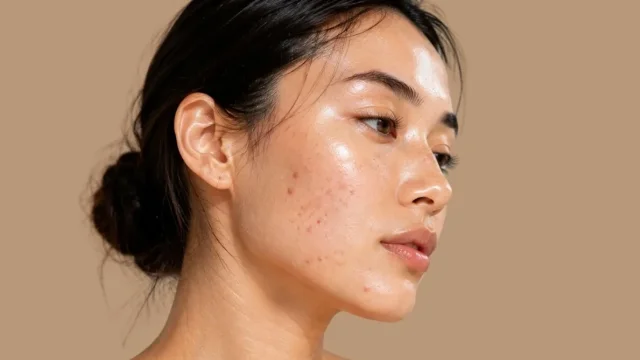
Acne is among the most common skin conditions and can manifest with various types and severities of changes. In some people, comedones and increased pore visibility predominate, while others develop inflammatory lesions. In cases of deeper or prolonged inflammatory processes, scars and changes in skin texture may remain.
The various manifestations are often observed simultaneously. Active acne, comedones, enlarged pores, post-inflammatory marks, and uneven texture have different characteristics and may require different approaches.
A professional skin condition assessment helps determine which changes are active, which are the consequence of previous inflammation, and what care plan is appropriate for the specific case.
What is acne?
Acne is a chronic inflammatory condition affecting the pilosebaceous follicle. Its development involves several interrelated processes, including increased sebum production, cell accumulation at the follicular opening, comedone formation, and inflammation.
Areas with a higher concentration of sebaceous glands, such as the face, chest, shoulders, and back, are most commonly affected. The clinical picture can range from predominantly comedonal manifestations to deeper and more painful inflammatory lesions.
Acne is especially common during adolescence, but in some people, it persists into adulthood or appears for the first time after puberty.
How do acne and its associated skin changes manifest?
The manifestations of acne can vary from person to person and are often combined. The type of lesions, the presence of active inflammation, and the changes remaining afterward are important when assessing the condition and determining appropriate care.
Acne-prone skin
In acne-prone skin, both non-inflammatory lesions (such as open and closed comedones) and inflammatory changes in the form of papules, pustules, and deeper nodules can be observed.
Manifestations may be limited to specific areas of the face or affect the chest, shoulders, and back. Their severity and distribution are individual and can change over time.
Find out more about acne-prone skin
Enlarged pores and comedones
Comedones form when sebum and cells accumulate in the hair follicle. Open comedones are known as blackheads, while closed ones usually appear as small light or skin-colored bumps.
Enlarged or more visible pores are most commonly noticed in areas with more active sebum secretion, such as the nose, forehead, and cheeks. Comedones can appear independently or together with inflammatory lesions.
Find out more about enlarged pores and blackheads
Acne scars
Following deeper and prolonged inflammatory processes, permanent changes in the structure and relief of the skin can remain. The risk is higher with more severe inflammatory lesions and mechanical trauma to the affected areas.
Scars can vary in shape and depth, which matters for subsequent assessment and the choice of an approach to address them.
Find out more about acne scars
Uneven texture
Uneven texture can manifest as a rougher or non-uniform surface, depressions, small bumps, or more visible pores.
For skin with a history of acne, the cause is often a combination of several changes, so the assessment must consider both skin relief and the presence of active or previous inflammation.
Find out more about uneven texture
What factors influence the development of acne?
Acne is a multifactorial condition. Its development involves the activity of the sebaceous glands, the tendency of follicles to clog, inflammatory processes, hormonal factors, and individual predisposition.
Hormonal changes can be particularly significant during puberty, but also in adult acne. In cases of sudden onset or pronounced worsening in adults, additional medical evaluation tailored to the individual case may be necessary.
Certain medications and cosmetic products can also affect the condition of the skin. Daily care is also important. Excessive cleansing, aggressive scrubbing, and mechanical trauma to inflamed areas can increase irritation and the risk of residual changes.
What traces can remain after acne?
After active inflammation subsides, the skin does not always immediately restore its original color and texture. Red, pink, or darker spots, which represent post-inflammatory changes, may remain in the affected area.
These should be distinguished from structural scars. Color changes are flat and gradually fade for some people, whereas scars are associated with a change in skin relief and may appear as depressed or, more rarely, raised areas.
Differentiating between active acne, residual marks, and scars is important because the approach to each of these conditions differs.
When is a consultation with a dermatologist recommended?
A dermatological consultation is recommended for prolonged or frequently recurring inflammation, numerous lesions, deep and painful nodules, or the appearance of scars.
A medical evaluation is also appropriate when the care used so far does not lead to the expected improvement, the condition worsens, or acne has a noticeable impact on daily life and self-esteem.
Timely management of the active inflammatory process is also important to limit the risk of subsequent permanent structural changes.
How is the approach for acne and imperfections determined?
The approach is determined after assessing the current condition of the skin. Factors considered include the type and number of active lesions, the presence of comedones, the degree of inflammation, sebum secretion, skin sensitivity, and the presence of residual marks or scars.
For scars and texture changes, their type, depth, and location matter.
Sequence is also important. For active inflammatory acne, the first task is usually controlling the active process. Procedures aimed at scars, enlarged pores, and uneven relief can be planned according to the skin condition and the stage of the therapeutic plan.
For many patients, a combination of several types of changes is observed. Therefore, an individual plan may include different methods applied sequentially or in an appropriate combination.
Consultation at DERMA ART
If you have active acne, comedones, enlarged pores, scars, or texture changes and are unsure which approach is suitable for your skin, you can start with the DERMA ART virtual consultation. Through a brief questionnaire, it will guide you toward procedures tailored to your main goals and preferences.
For active inflammation, more severe manifestations, scar formation, or the need for an individual medical assessment, a consultation with a specialist is recommended. During the visit, the condition of the skin, active and residual changes, and appropriate next steps can be evaluated.
The information on this page is for informational purposes and does not replace an individual examination, diagnosis, and recommendations from a physician.
