
Pigmentation & Sun Damage
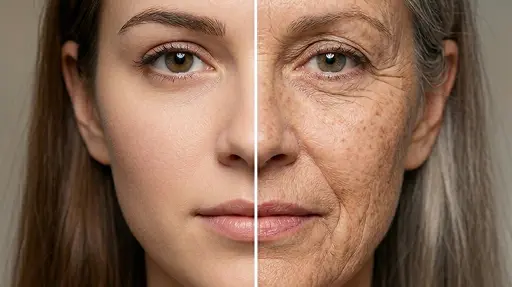


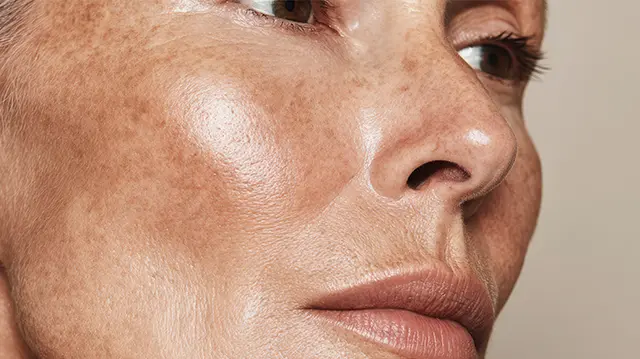
Pigmentation and sun damage can manifest as dark spots, uneven pigment distribution, changes in skin tone, and a gradual alteration in skin texture and quality. They are especially visible in areas most frequently exposed to the sun, such as the face, décolletage, hands, and forearms.
Ultraviolet radiation has a cumulative effect on the skin. Over time, it can alter the production and distribution of melanin, as well as the structures that maintain skin firmness and elasticity. The result can be a combination of pigmented spots, an uneven skin tone, and signs of photoaging.
However, pigment changes do not always share the same cause. They can be influenced by sun exposure, age, hormonal factors, inflammatory processes, and individual skin characteristics. Therefore, determining the type and cause of the change is an important step before choosing the appropriate care or procedure.
How do skin pigment changes occur?
Skin color is largely determined by melanin, a pigment produced by specialized cells called melanocytes. One of the primary triggers for its production is ultraviolet radiation.
Upon sun exposure, melanin production increases as part of the skin's natural defense mechanism. With repeated and prolonged UV exposure, the pigment can begin to distribute unevenly, causing certain areas to become darker than the surrounding skin.
Pigmentation can be superficial or affect deeper layers of the skin. This characteristic influences how the change appears and the options for addressing it.
How do pigmentations and sun damage manifest?
Changes can develop gradually and are often observed simultaneously. For some individuals, the main concern is isolated dark spots; for others, the overall skin tone appears uneven; and with prolonged accumulation of sun damage, changes in skin texture, elasticity, and firmness may also appear.
Photoaging
Photoaging represents a set of changes associated with the prolonged impact of ultraviolet radiation on the skin. It can manifest as uneven pigmentation, a coarser texture, reduced elasticity, fine lines, and wrinkles, particularly in areas regularly exposed to the sun.
The accumulation of these changes is gradual and depends both on the amount of UV exposure over the years and on individual skin characteristics and the photoprotection used.
Find out more about photoageing
Uneven Skin Tone
An uneven skin tone occurs when different areas of the skin show visible color differences, and the overall complexion loses its homogeneity. Darker areas, localized spots, or a combination of various pigment changes may be present.
The causes can vary and include sun exposure, residual changes following inflammation, and other factors that influence melanin production and distribution.
Find out more about uneven skin tone
Pigmented Spots
Pigmented spots are localized areas of skin with more pronounced coloration. They can differ in size, shape, intensity, and cause of appearance.
A common example is solar lentigines, also known as sunspots or age spots, which develop as a result of chronic UV exposure and most frequently appear on the face, hands, and other exposed parts of the body.
Before undertaking any procedure, it is important for pigment changes to be properly evaluated, especially when they are newly appeared or changing in appearance.
Find out more about pigmentation spots
How does the sun affect the skin?
Ultraviolet radiation has a cumulative effect. Some of the changes that occur may remain imperceptible for years before becoming visible on the skin's surface.
In addition to pigmentation, prolonged UV exposure affects collagen, elastic fibers, and other structures within the skin. Gradually, a coarser texture, dryness, loss of elasticity, fine lines, and uneven coloration may appear.
Sun damage is also significant beyond aesthetic changes. Prolonged exposure to UV radiation is linked to the development of precancerous and malignant skin lesions, which is why photoprotection and dermatological evaluation of suspicious lesions are an important part of skin care.
What factors can influence pigmentation?
Sun exposure is one of the most significant factors, but pigment changes can also be influenced by other processes.
Hormonal changes can increase susceptibility to certain types of hyperpigmentation. Inflammation can also lead to residual skin darkening after the initial lesion resolves.
An individual's phototype matters in how the skin responds to UV radiation and inflammatory processes. Some people are more prone to prolonged pigment changes following irritation or inflammation.
Additional influence can come from certain medications, cosmetic products, and procedures, especially when the skin is exposed to the sun without proper protection.
Can pigmentations and signs of sun damage be improved?
With appropriately selected professional procedures, the visibility of certain pigment changes can be reduced, the skin tone can become more even, and in cases of photoaging, certain changes in skin texture and quality can also be improved.
The approach depends on the type of pigmentation, its depth, the cause of its appearance, the phototype, and the presence of other signs of sun damage.
For some individuals, the primary issue is a single pigmented spot, while for others, there is a combination of multiple spots, general uneven coloration, and textural changes. Therefore, a professional plan may include different methods or a sequence of procedures.
Long-term control of pigmentation also requires consistent photoprotection, as continued UV exposure can lead to darkening or the reappearance of pigment changes.
How is the approach determined for pigmentation and sun damage?
The first step is to establish what type of changes are present and which factors may be involved in their development.
The evaluation takes into account the location, color, and characteristics of the pigmentation, the phototype, the degree of sun damage, the condition of the skin texture, and the presence of other skin lesions.
For individual pigmented lesions, it is important to first confirm that they are suitable for aesthetic treatment. When broader sun damage is observed, the plan can target pigmentation, skin tone, and overall skin quality simultaneously.
The chosen approach must also be tailored to the season, photoprotection, and the individual risk of recurrent or post-inflammatory pigmentation.
Consultation at DERMA ART
If you have pigmented spots, an uneven skin tone, or visible signs of sun damage and are unsure which approach is right for your skin, you can take the first step in a way that is convenient for you.
Use the virtual consultation to explore procedures based on your primary goals and preferences, or book a consultation appointment at DERMA ART if you desire an individual skin condition assessment and a specialist's recommendation.
The information on this page is for informational purposes only and does not replace an individual medical examination, diagnosis, and recommendations from a physician.
