An uneven skin tone occurs when different areas of the skin show visible color differences. Darker spots, areas of residual pigmentation, localized changes following inflammation, or a more general non-uniform coloration of the skin may be observed.
Most frequently, these changes are associated with the uneven production or distribution of melanin. The process can be influenced by prolonged sun exposure, inflammatory skin conditions, hormonal factors, individual phototype, and accumulated UV damage.
The causes of an uneven skin tone can vary and sometimes combine. Therefore, identifying them is an important step before choosing the appropriate home care or professional procedure.
What is an uneven skin tone?
Skin color is largely determined by melanin, a pigment produced by melanocytes and distributed within the cells of the epidermis.
When melanin production or distribution changes, certain areas can become darker than the surrounding skin. In other cases, the uneven appearance results from a combination of lighter and darker zones, residual marks following inflammation, and accumulated sun damage.
How does an uneven skin tone manifest?
Changes can be localized to specific areas or affect a larger portion of the face, décolletage, and other sun-exposed zones.
For some individuals, isolated brownish spots are observed, while for others, the boundaries are more diffuse and the complexion appears generally non-uniform. Following inflammation, darker areas may remain precisely at the site of the previous skin alteration.
An uneven color is frequently combined with other signs of sun damage, such as textural changes, dryness, or a loss of elasticity.
What are the most common causes of an uneven skin tone?
Sun Exposure
Ultraviolet radiation stimulates melanin production. With repeated and prolonged exposure, this process can become uneven, and over time, darker areas and sunspots may appear.
Accumulated UV exposure can simultaneously affect skin color, texture, and quality, which is why an uneven skin tone is frequently one of the manifestations of photoaging.
Pigmentation Following Inflammation
Following acne, irritation, trauma, or other skin inflammation, a darker area may remain. This is defined as post-inflammatory hyperpigmentation.
It can appear in any phototype, but in darker skin types, it is frequently more pronounced and can persist for significantly longer periods.
Sun exposure can further darken these areas.
Hormonal and Individual Factors
Hormonal changes can also influence melanocyte activity and pigment production. An individual's phototype, genetic predisposition, and how the skin reacts to the sun and inflammation all play a role.
For certain individuals, specific medications, cosmetic products, or procedures can also be associated with changes in pigmentation.
What is the relationship between an uneven skin tone and photoaging?
Prolonged exposure to UV radiation can gradually lead to uneven pigment distribution, the appearance of sunspots, and changes in overall skin color.
When accompanied by changes in skin texture, elasticity, and firmness, these can form part of the broader picture of photoaging.
Differentiation is important because, in cases of pronounced sun damage, a professional plan may target not only skin color but also other aspects of skin quality.
Find out more about photoageing
What is the difference between an uneven skin tone and pigmented spots?
A pigmented spot represents a more clearly defined area with a different color from the surrounding skin. An uneven skin tone can include such spots, but it can also manifest as a more diffuse color difference without sharply outlined boundaries.
An individual may simultaneously exhibit isolated pigmented spots, residual post-inflammatory marks, and general uneven coloration.
Accurate determination of the type of changes is important when choosing an approach, as different pigmentations may lie at varying depths and respond differently to professional methods.
Find out more about pigmentation spots
Can an uneven skin tone be improved?
With appropriately selected care and professional procedures, the visibility of certain pigment changes can be reduced, and the skin tone can become more even.
The approach depends on the cause of the uneven color, the depth and location of the pigment, the phototype, and the presence of other skin changes.
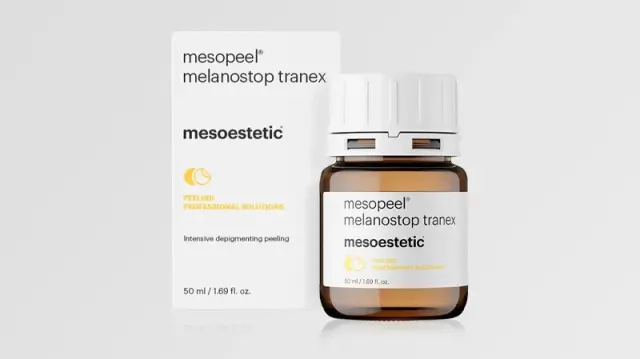
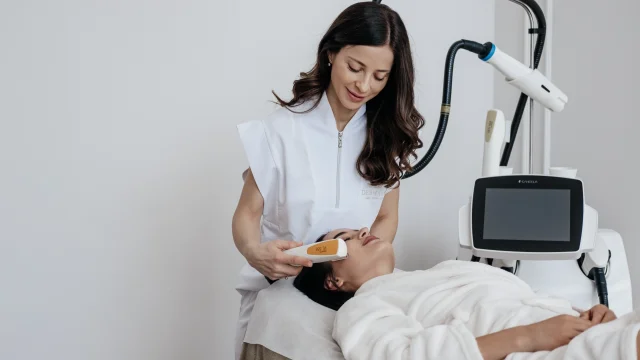
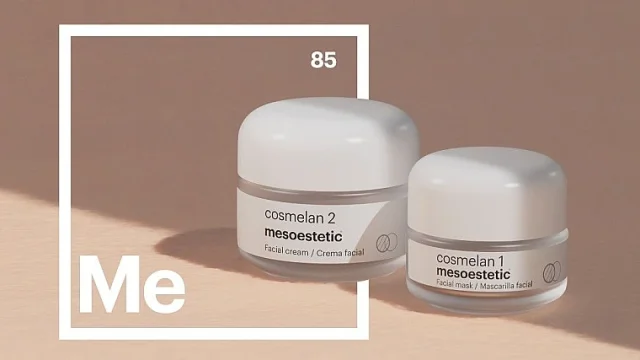
Depending on the skin's condition, procedures such as Light & Bright, IPL photorejuvenation, depigmenting peels, and professional depigmenting therapies may be applied. For certain pigment changes, Cosmelan, Exion Clear RF, or other methods chosen after an individual assessment may also be appropriate.
When the causes of an uneven skin tone are multiple or different types of pigment changes are present, a specialist may recommend a combination or a sequence of procedures.
Consultation at DERMA ART
If you notice unevenness in your skin tone, pigment changes, or signs of sun damage and are unsure which approach is right for your skin, you can consult with a specialist at DERMA ART.
Use the virtual consultation to explore procedures based on your primary goals and preferences, or book a consultation appointment at DERMA ART if you desire an individual assessment of your skin condition and a specialist's recommendation.
Suitable Procedures for an Uneven Skin Tone
Professional procedures are selected according to the cause of the uneven skin tone, the type and depth of pigment changes, the phototype, and the overall condition of the skin.
Depending on the specific case, light-based, device-based, peel, or professional depigmenting therapies aimed at reducing the visibility of pigmentation and improving skin tone uniformity may be discussed.
The information on this page is for informational purposes only and does not replace an individual medical examination, diagnosis, and recommendations from a physician.