Pigmented spots are areas of the skin where the color is darker compared to the surrounding area. They can be single or numerous, varying in shape, size, and intensity, and are most commonly noticed on the face, décolletage, hands, and other areas regularly exposed to the sun.
Many of these changes are associated with increased melanin production or local accumulation of melanin, the pigment that determines skin color. Its production can be influenced by UV radiation, inflammatory processes, hormonal factors, and individual skin characteristics.
The cause and depth of pigmentation matter for how it can be addressed. Therefore, different types of pigmented spots are not treated in the same way.
How do pigmented spots form?
Melanin is produced by specialized cells called melanocytes. Under certain stimuli, their activity can increase, leading to an accumulation of more pigment in specific areas.
One of the main factors is ultraviolet radiation. It stimulates melanin production, and with accumulated sun exposure, it can gradually lead to the appearance of well-defined darker spots.
Inflammation can also activate pigment production. Following acne, irritation, or another inflammatory change, a brownish area sometimes remains, which persists even after the initial condition has healed.
In other forms of hyperpigmentation, hormonal and individual factors play a role by altering how melanin is formed and distributed in the skin.
What types of pigment changes can occur?
Pigment changes can have different origins and appearances. Common ones include solar lentigines, post-inflammatory hyperpigmentation, and melasma.
Sunspots
Solar lentigines, also known as sunspots or age spots, are flat brownish areas that appear primarily on skin with prolonged UV exposure.
They are most frequently noticed on the face, décolletage, forearms, and the back of the hands. Their number may gradually increase with the accumulation of sun damage over the years.
Post-Inflammatory Hyperpigmentation
Following acne, skin inflammation, irritation, or trauma, a darker area may remain at the site of the previous change.
Its color can range from light brown to darker brown or grayish, depending on the depth of the pigment and the individual's phototype.
Post-inflammatory pigmentation is especially important for acne-prone skin, as dark marks sometimes remain visible significantly longer than the inflammatory lesions themselves.
Melasma
Melasma manifests as larger, often symmetrically distributed brownish or grayish-brown patches, most commonly on the face.
Various factors can contribute to its development, including UV exposure, hormonal changes, and individual predisposition. Because melasma tends to recur, the approach to it usually differs from that for single sunspots.
Where do they most frequently appear?
The location often provides information about the factors involved in the appearance of pigmentation.
Sunspots are characteristic of areas with accumulated UV exposure, such as the face, décolletage, forearms, and the backs of the hands.
Post-inflammatory hyperpigmentation appears at the site of previous inflammation. In the case of acne, these are usually the face, back, shoulders, and décolletage.
Melasma primarily affects the face and is often observed in the forehead, cheeks, nose, and upper lip areas.
What is the difference between pigmented spots and an uneven skin tone?
Pigmented spots are more localized changes in skin color. They can have clear boundaries or cover larger areas depending on the type of pigmentation.
An uneven skin tone is a broader concept describing an overall lack of homogeneity in skin color. It can result from multiple pigmented spots, post-inflammatory marks, diffuse changes, or a combination thereof.
An individual may simultaneously exhibit individual spots and more general uneven coloration, making it important during an evaluation to determine which changes are most significant.
Find out more about uneven skin toneWhat is the relationship between pigmented spots and photoaging?
Pigment changes are among the characteristic manifestations of accumulated sun damage.
With chronic UV exposure, solar lentigines and uneven pigment distribution can gradually appear. At the same time, changes in skin texture, elasticity, and firmness may also occur.
When pigmented spots are part of a broader combination of changes, the approach can target both the pigmentation and other signs of photoaging.
Find out more about photoageingWhat factors can influence the appearance of pigmented spots?
Various factors can influence pigmentation, and in some people, several of them act simultaneously.
Prolonged exposure to UV radiation is a leading factor in the appearance of solar lentigines and can make other pigment changes more visible.
Hormonal changes can affect melanocyte activity and are particularly significant in conditions such as melasma.
Inflammation following acne, irritation, or trauma can lead to post-inflammatory hyperpigmentation. Individual phototype also affects how the skin reacts to inflammation and produces pigment.
For some individuals, certain medications, cosmetic products, and procedures that increase skin sensitivity or trigger an inflammatory reaction can play a role.
Can pigmented spots become less visible?
With a properly chosen approach, the visibility of many types of pigment changes can be reduced, and the skin color can become more even.
The result depends on the type of pigmentation, its depth and location, the phototype, and the factors involved in its appearance. Superficial and deeper pigment changes may react differently to the same procedure.
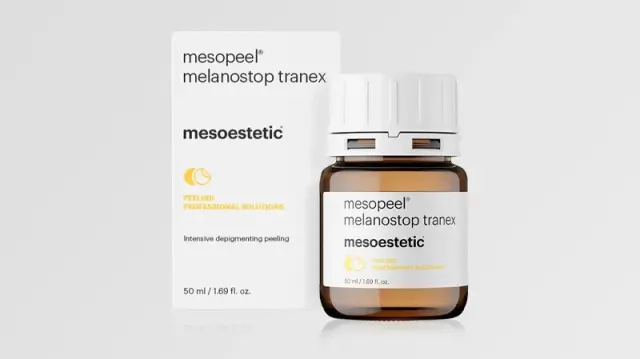
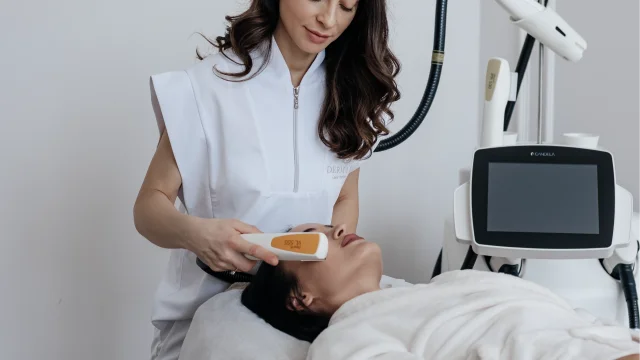
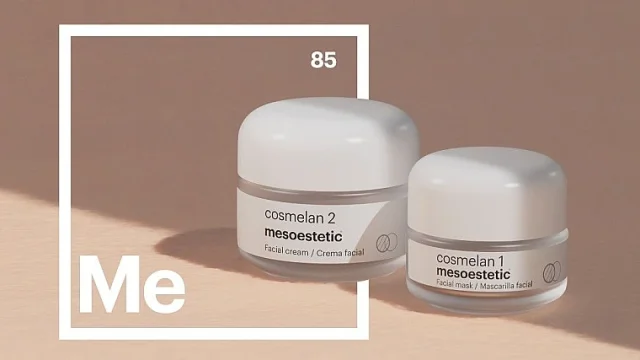
Depending on the skin's condition, depigmenting peels and therapies, Light & Bright, IPL photorejuvenation, or Cosmelan may be applied. When combined changes are present, a sequence of different methods may be appropriate.
The goal is determined individually; significant lightening can be achieved for some pigmentations, while others have a greater tendency to recur and require more prolonged control.
Consultation at DERMA ART
If you have pigmented spots and are unsure which procedures are suitable for addressing them, you can take the first step in a way of your preference.
Use the virtual consultation to guide yourself toward procedures based on your primary goals and preferences, or book a consultation appointment at DERMA ART if you desire an individual assessment of your skin condition and a recommendation from a specialist.
Suitable Procedures for Pigmented Spots
Professional procedures are selected according to the type and depth of pigmentation, phototype, area, and the presence of other skin changes.
Depending on the specific case, peels, light-based, device-based, or professional depigmenting therapies may be applied. For more complex pigmentation, combining or sequentially applying different methods may be appropriate.
The information on this page is for informational purposes only and does not replace an individual examination, diagnosis, and recommendations from a physician.